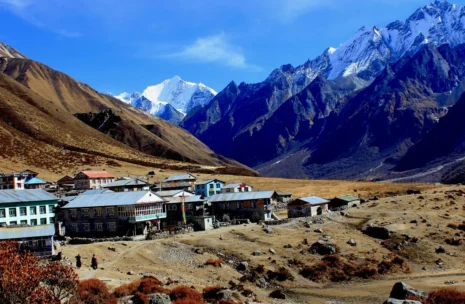
The Langtang region offers a rare combination of accessible Himalayan grandeur and deep cultural immersion. Located just north of Kathmandu, it’s a favorite for those who want to avoid domestic flights while still experiencing high-altitude landscapes.
Whether you are looking for the rugged peaks of the Langtang Valley Trek or the cultural charm of the Helambu Village Trek, this region delivers a quintessential Nepalese adventure.
🏔️ 1. Langtang Valley Trek: The Valley of Glaciers
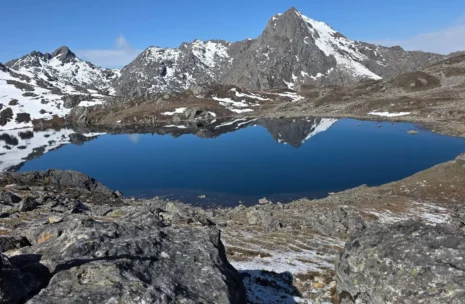
This is the most iconic route in the region. It takes you through lush rhododendron and bamboo forests into a high-alpine world of yaks and glaciers.
Best for: Beginners and those short on time.
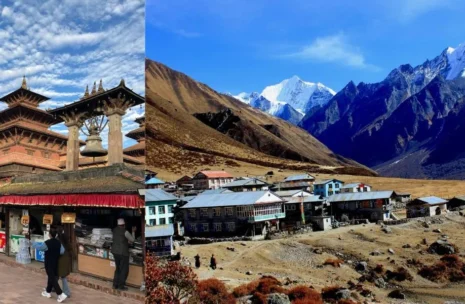
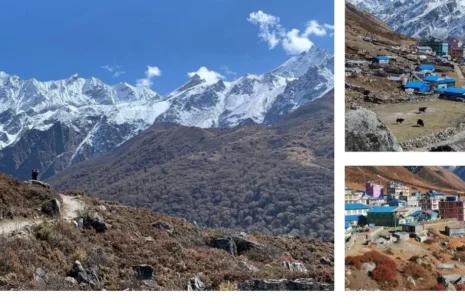
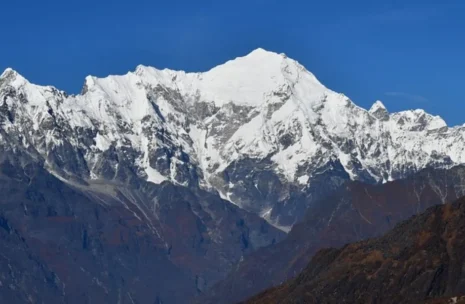
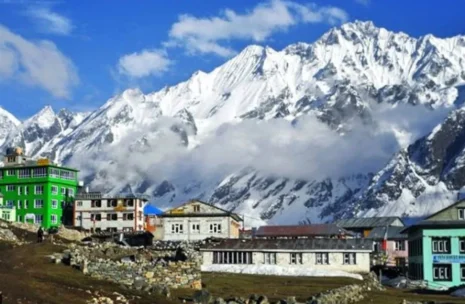
Highlight: Reaching Kyanjin Gompa (3,870m), where you’re surrounded by 7,000m peaks like Langtang Lirung.
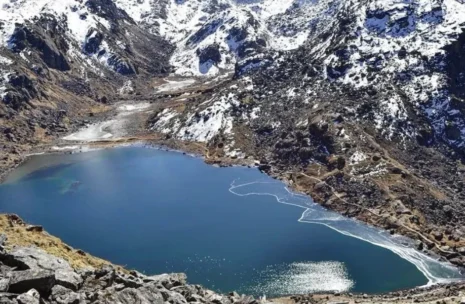
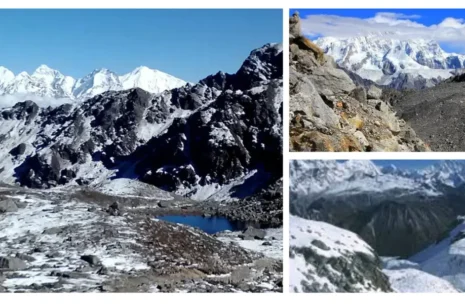
The Viewpoint: Many trekkers hike up to Tserko Ri (4,984m) for a 360-degree panorama of the Himalayas.
Culture: You’ll walk through Tamang villages, visiting local cheese factories and ancient Buddhist monasteries.
🏘️ 2. Helambu Village Trek: Cultural Serenity
Lower in altitude and closer to Kathmandu, the Helambu Village Trek is famous for its “Hyolmo” culture and hospitable Sherpa and Tamang communities.
Best for: Families, cultural enthusiasts, and those who prefer warmer trekking conditions.
Highlight: The stunning views from Ama Yangri (3,800m), which many locals say rivals the famous Poon Hill.
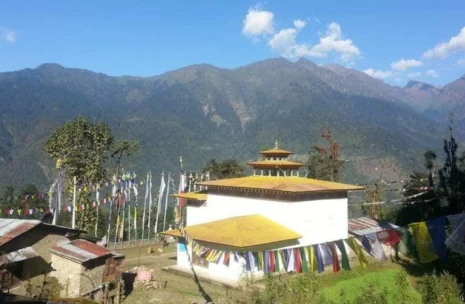
The Vibe: This trek feels like walking through a living museum of terraced farms, green valleys, and spiritual stupas.
Convenience: You can start this trek directly from the outskirts of Kathmandu (Sundarijal).
🎒 Trekking Comparison at a Glance
Feature Langtang Valley Trek Helambu Village Trek
Duration 7–9 Days 5–8 Days
Max Altitude 4,984m (Tserko Ri) 3,800m (Ama Yangri)
Difficulty Moderate Easy to Moderate
Key Scenery Glaciers, High Peaks Terraced Fields, Pine Forests
Culture Tibetan-influenced Tamang Hyolmo & Sherpa Heritage
🗓️ Best Time to Visit (2026)
Spring (March–May): Ideal for nature lovers. The rhododendrons are in full bloom, and the weather is mild.
Autumn (Sept–Nov): The “Gold Standard.” Post-monsoon skies are incredibly clear, offering the best mountain visibility.
Winter (Dec–Feb): Cold but clear. If you don’t mind the snow, you’ll have the trails (and the views) almost entirely to yourself.
💡 Quick Tips for 2026
Permits: You’ll need the TIMS Card and the Langtang National Park Entry Permit.
Logistics: Unlike Everest, no flights are needed! You can reach the trailheads via a 6–8 hour scenic drive from Kathmandu.
Packing: Even in spring/autumn, temperatures at Kyanjin Gompa can drop below freezing at night. Bring a solid 4-season sleeping bag.