Everest Base Camp Trek 17 Days Overview
The Everest Base Camp Trek is one of Nepal’s most iconic Himalayan journeys, taking you deep into the Khumbu Valley and into the heart of the Everest region. Although reaching Everest Base Camp is the main goal, the journey itself is just as important. The trail passes through mountain villages, Buddhist monasteries, suspension bridges, rhododendron and pine forests, high alpine valleys and the rugged landscape surrounding the Khumbu Glacier.
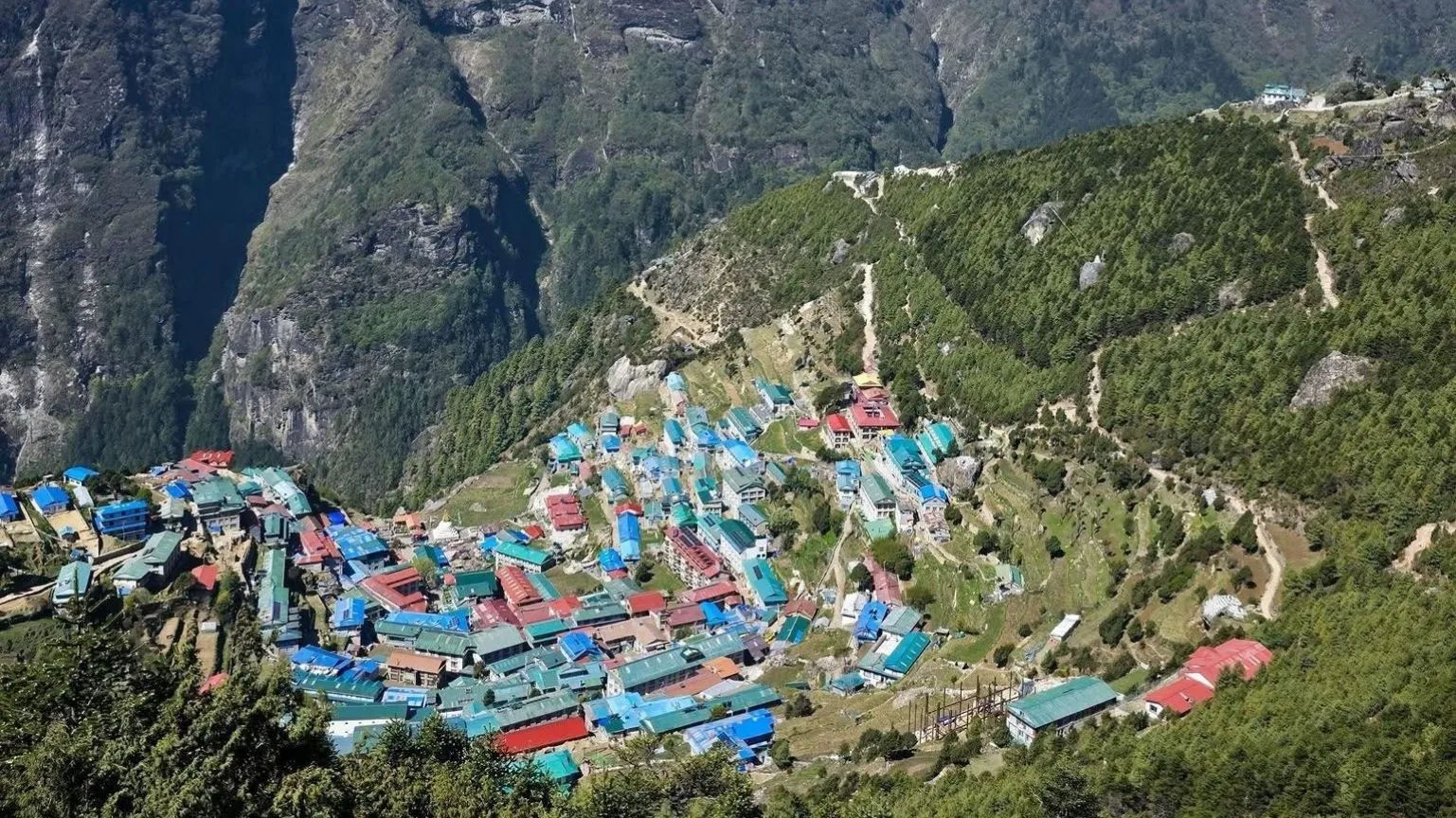
Our 17-day Everest Base Camp Trek is designed to give trekkers sufficient time to experience the route while allowing for gradual altitude gain and acclimatization. After exploring Kathmandu, you fly toward Lukla and begin walking through the Dudh Koshi Valley. Namche Bazaar provides the first major acclimatization stop and is an important Sherpa trading center surrounded by spectacular Himalayan peaks.
From Namche, the itinerary follows a scenic route through Phortse Village, one of the traditional Sherpa settlements of the Khumbu. The Nepal Tourism Board describes Phortse as a distinctive Sherpa settlement with mountain scenery and opportunities to experience the local environment and culture.
The trek then continues toward Dingboche and the Chhukung Valley, where you spend time at higher elevation before continuing toward Lobuche and Gorak Shep. As the altitude increases, the landscape changes dramatically from forested valleys to open alpine terrain, glaciers and rocky mountain slopes.
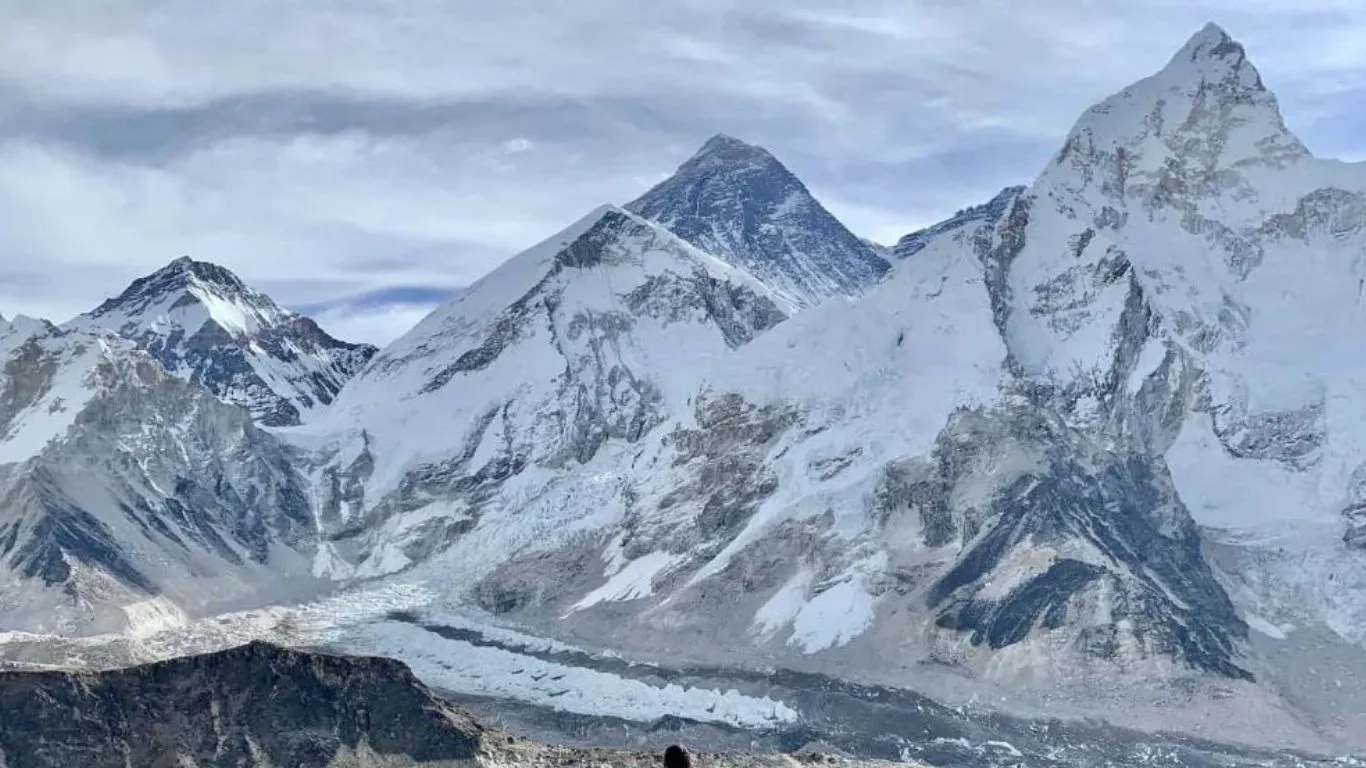
The highlight comes when you reach Everest Base Camp at approximately 5,364 meters. From Gorak Shep, you trek toward the base camp area beside the Khumbu Glacier and experience the dramatic landscape surrounding the world’s highest mountain. The following morning, an early hike to Kala Patthar at approximately 5,545 meters provides outstanding views of Everest, Lhotse, Nuptse, Ama Dablam and the surrounding Himalayan range.
After reaching the highest points of the trek, you gradually descend through Pheriche, Tengboche and Namche Bazaar before returning to Lukla. The descent gives your body time to recover from the high altitude while allowing you to appreciate the Khumbu landscape from a different perspective.
This trek is physically demanding because of the altitude, uneven mountain trails and several hours of walking on many days. However, it is a trekking adventure rather than a technical climbing expedition. Previous high-altitude trekking experience is helpful but not essential for well-prepared travelers who are comfortable with long walking days.
We believe a good Everest Base Camp Trek should be about more than simply reaching the destination. Our local team focuses on sensible pacing, clear communication, experienced trekking support and careful attention to altitude and changing mountain conditions. Because the Everest region is remote and weather can affect flights and trail conditions, flexibility is an important part of the journey.
Adventure Land Nepal has been operating from Nepal since 2003, giving our team long-standing local experience in organizing Himalayan trekking journeys. We arrange the essential logistics of your trip while our guides and support staff accompany you through the Everest region.
Why Trek Everest Base Camp With Adventure Land Nepal?
Adventure Land Nepal is a locally operated Nepal trekking and travel company established in 2003. Our team works from Nepal and understands the practical details involved in organizing Himalayan journeys.
When you trek with us, our support includes more than simply providing a guide.
We coordinate:
Airport arrival and departure
Kathmandu accommodation
Kathmandu sightseeing
Trekking permits and documentation
Domestic flight arrangements
Mountain accommodation
Meals during the trek
Licensed trekking guide
Porter support according to the package
Trekking logistics
Emergency coordination when required
Our aim is to provide clear information before the trek and dependable support throughout the journey.
We also believe that responsible trekking means being honest about the challenges. Everest Base Camp is a high-altitude trek. Weather can change, flights can be delayed, accommodation can be basic and altitude can affect even physically fit travelers.
We do not promise that every traveler will experience identical conditions. Instead, we plan carefully, communicate clearly and make safety a priority.
Everest Base Camp Trek Difficulty
The Everest Base Camp Trek is a challenging high-altitude trek, but it is not a technical climbing expedition. You do not need mountaineering skills or previous experience climbing a Himalayan peak.
The main challenge is the combination of long walking days, steep and uneven trails, cold weather and increasing altitude. Some days involve 5–7 hours of walking, while the Everest Base Camp day can be considerably longer.
Physical preparation is therefore important. Regular walking, hiking, stair climbing and cardiovascular exercise before the trek can help you prepare for the demands of the trail.
Fitness alone, however, does not prevent altitude sickness. The itinerary therefore places particular importance on gradual ascent, acclimatization, hydration, rest and monitoring how you feel at altitude.
Everest Base Camp Trek Altitude and Acclimatization
Altitude is one of the most important considerations on the Everest Base Camp Trek. The route rises from Kathmandu at approximately 1,400 meters to Everest Base Camp at approximately 5,364 meters and Kala Patthar at approximately 5,545 meters.
The itinerary includes acclimatization time in Namche Bazaar and the Dingboche area. The Chhukung excursion also allows you to spend time at a higher elevation before returning to Dingboche to sleep.
Our guides monitor trekkers for symptoms associated with altitude and encourage a sensible pace. If someone becomes unwell, safety takes priority over reaching a particular destination on a particular day.
Important: No trekking company can guarantee that a traveler will avoid altitude sickness or reach Everest Base Camp. Weather, health, fitness and individual response to altitude vary from person to person.
Everest Base Camp Trek Best Time
The most popular seasons for the Everest Base Camp Trek are spring and autumn.
Spring – March to May
Spring generally offers good trekking conditions, warmer temperatures than winter and beautiful mountain scenery. Rhododendron flowers add color to the lower sections of the trail.
Autumn – September to November
Autumn is one of the most popular trekking seasons, with generally stable conditions and excellent mountain visibility.
Winter – December to February
Winter trekking is possible, but temperatures are significantly colder, particularly at higher elevations. Snow and freezing conditions can affect the higher trail.
Monsoon – June to August
The lower Everest region receives monsoon influence, and rain and cloud can affect flight and trail conditions. Trekking is still possible during parts of the monsoon, but conditions are less predictable.
Weather in the Himalayas can change quickly in any season, so the itinerary should always retain some flexibility.
Everest Base Camp Trek Accommodation
Accommodation during the trek is primarily in mountain teahouses and lodges.
Rooms are generally simple, usually with twin beds, blankets and basic furniture. Bathrooms may be shared, particularly at higher elevations. Facilities become more basic as you travel farther into the high mountains.
In Kathmandu, accommodation is provided according to your selected package category. On the trekking trail, we select lodges based on availability, location, cleanliness and practical suitability.
Food During the Everest Base Camp Trek
Breakfast, lunch and dinner are provided during the trekking portion of the itinerary according to the selected package.
Teahouses generally serve a variety of meals, including:
Dal bhat
Rice and vegetables
Noodles
Pasta
Soups
Eggs
Potatoes
Bread
Momo
Tibetan-style dishes
Tea and hot drinks
Food choices become more limited at higher elevations because supplies must be transported along the mountain trail.
We recommend eating sufficient carbohydrates and maintaining good hydration throughout the trek.
If you have dietary restrictions or food allergies, please inform us before departure so we can discuss the available options with the lodges and trekking team.
Lukla Flight and Ramechhap Information
The flight to Lukla is an important part of the Everest Base Camp Trek.
Depending on the season, airport operations, airline scheduling and air traffic conditions, Lukla flights may operate from Kathmandu or from Manthali/Ramechhap.
When flights operate from Ramechhap, travelers need to make an early road transfer from Kathmandu to Manthali before the flight. We arrange the necessary transportation as part of the package according to the flight schedule.
Mountain flights are affected by weather and visibility. Flight delays and cancellations can occur, so our 17-day itinerary includes a buffer day in Kathmandu after returning from the mountains.
This flexibility helps reduce the risk of an international flight connection being affected by a delayed Lukla flight.
Everest Base Camp Trek Safety
Safety is one of the most important parts of any high-altitude trek.
Our trekking team pays attention to:
Gradual altitude gain
Acclimatization
Weather conditions
Hydration
Daily walking pace
Signs of altitude sickness
Trail conditions
Communication with the trekking team
Emergency arrangements
Travelers should understand that the Everest region is a remote mountain environment. Weather can change quickly, and medical facilities are limited compared with cities.
If a serious medical problem occurs, evacuation may be required. For this reason, comprehensive travel insurance covering high-altitude trekking and emergency helicopter evacuation is strongly recommended and should be arranged before arrival in Nepal.
Training for Everest Base Camp Trek
You do not need to be an elite athlete to complete the Everest Base Camp Trek, but you should prepare your body before arriving in Nepal.
Ideally, begin preparing several weeks or months before departure.
Useful preparation includes:
Long-distance walking
Hiking on uneven terrain
Stair climbing
Uphill walking
Cardiovascular exercise
Strength training for legs and core
Regular weekend hikes
Try to become comfortable walking for several hours at a time while carrying a daypack.
The goal is not to walk as fast as possible. Endurance, steady pacing and the ability to continue walking for several consecutive days are more useful on the Everest trail.


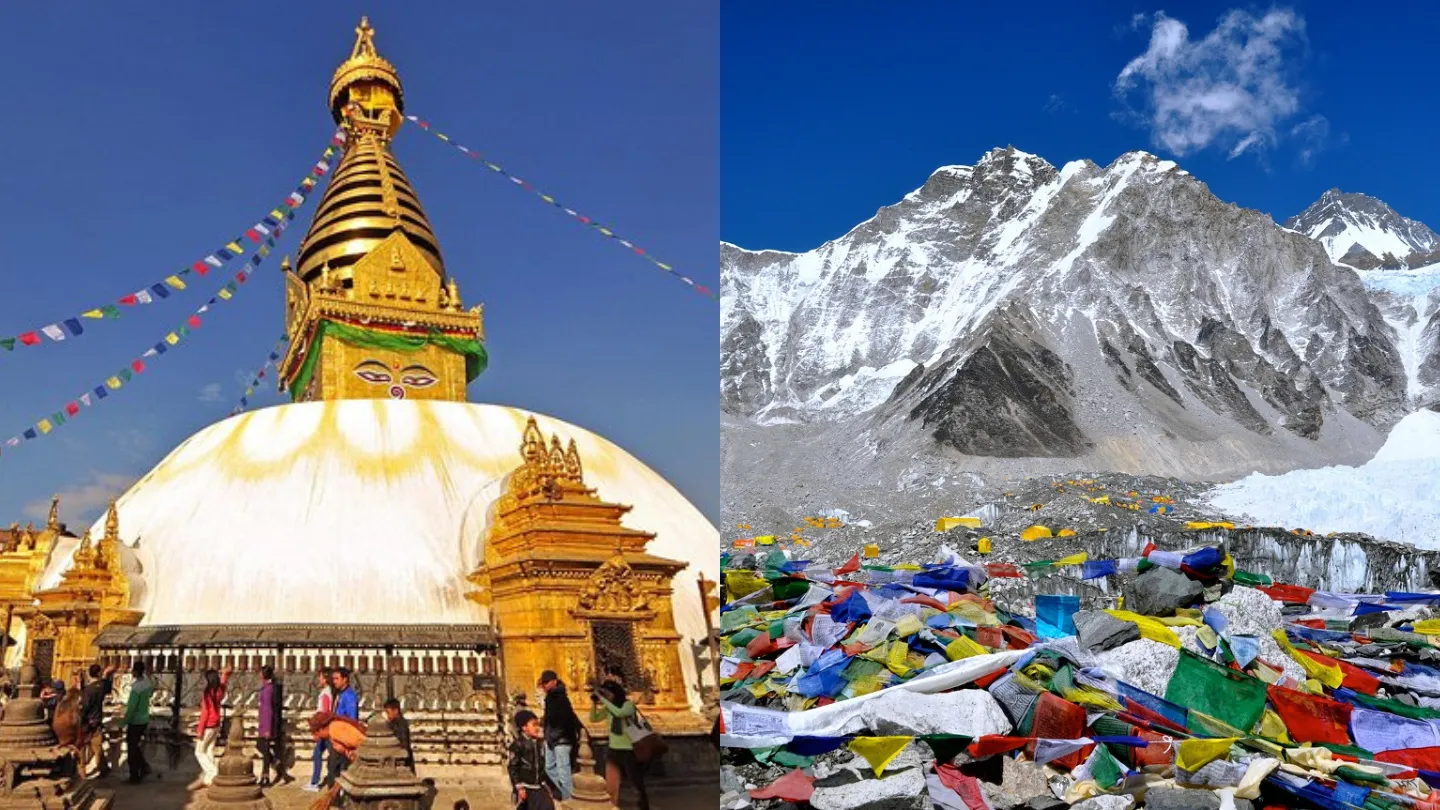 Nepal Culture & Everest Base Camp Trek 16 Days
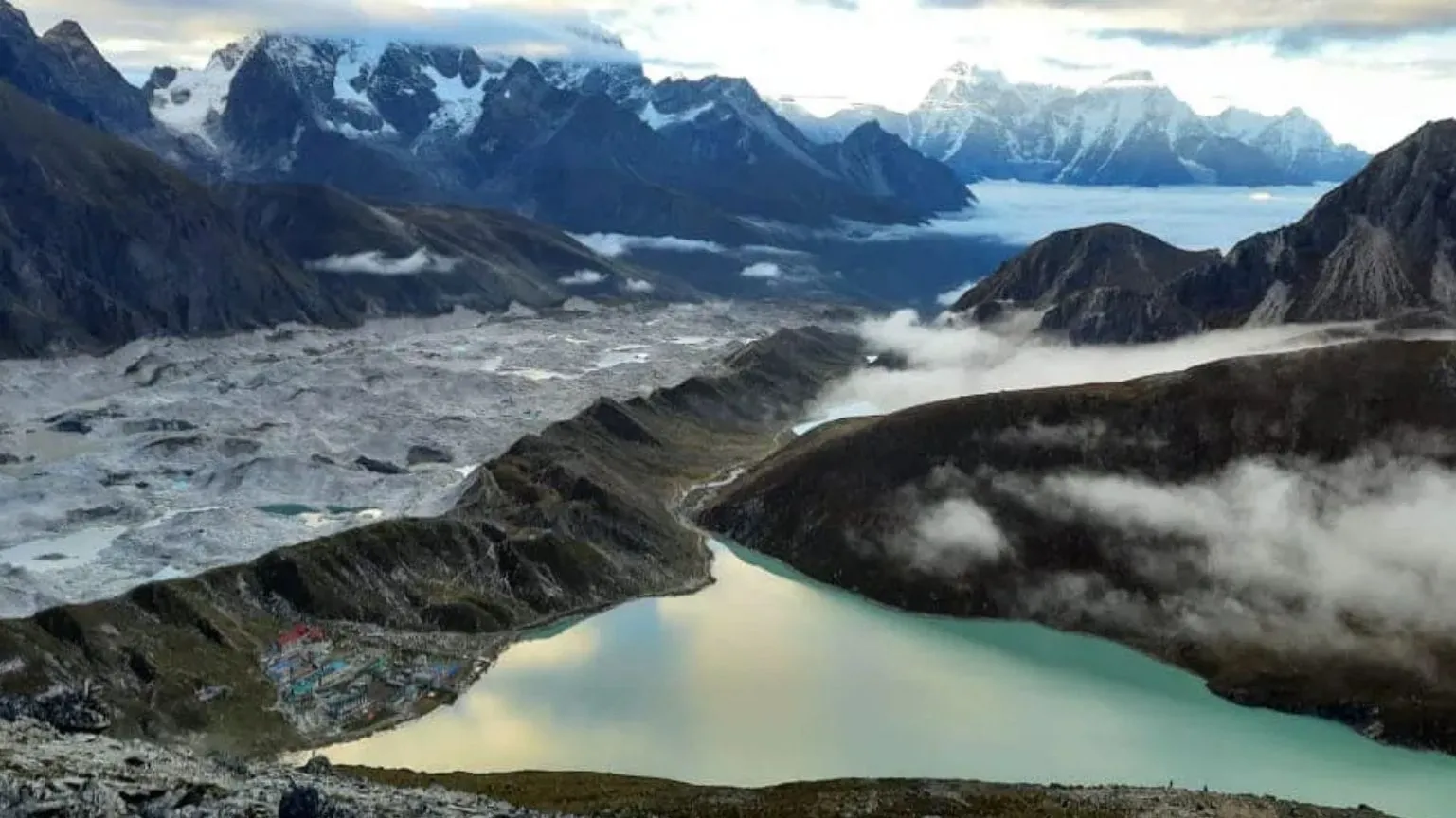 Gokyo Lake Express Trek 11 Days
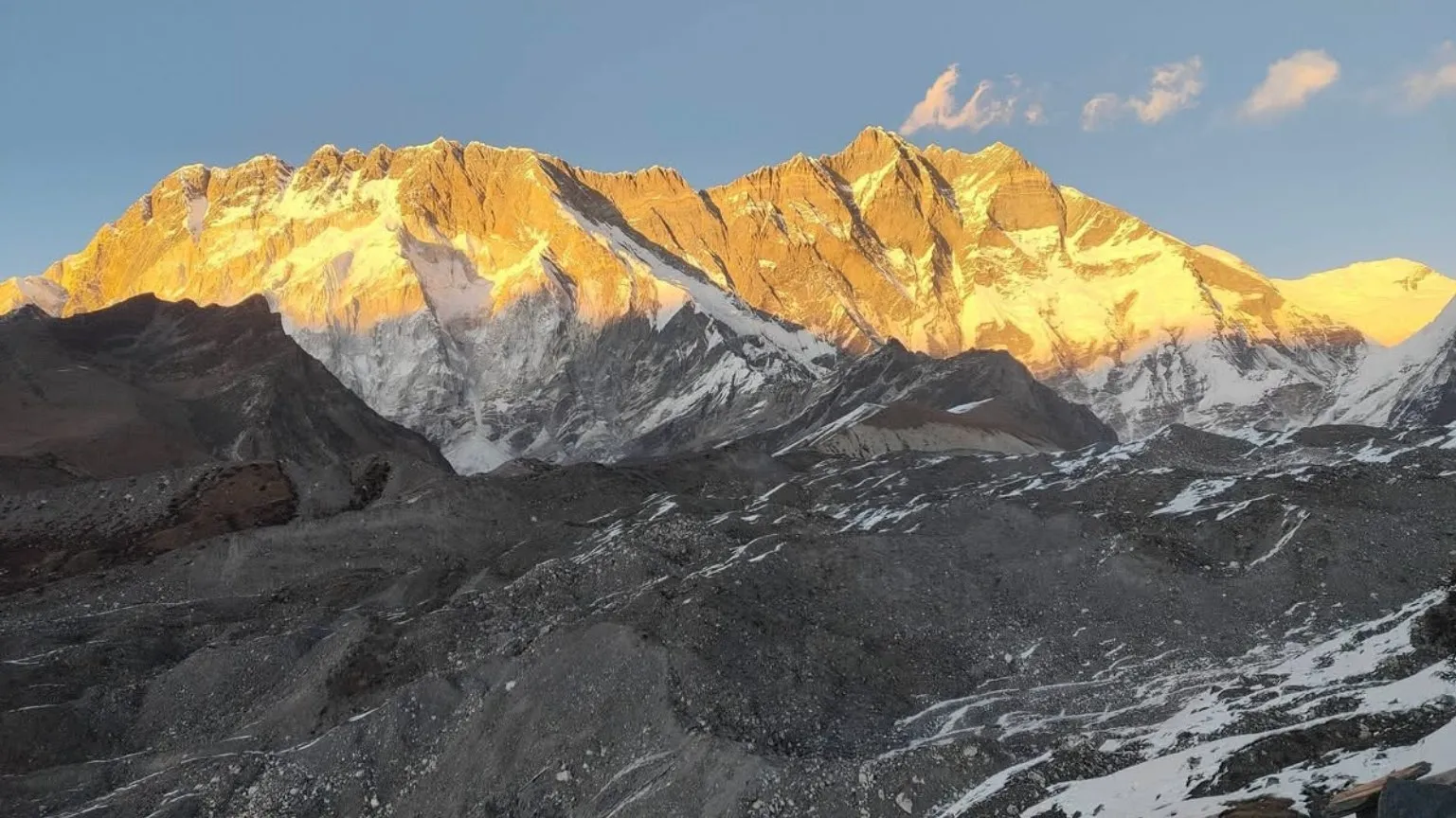 Everest Panorama View Trek 7 Days
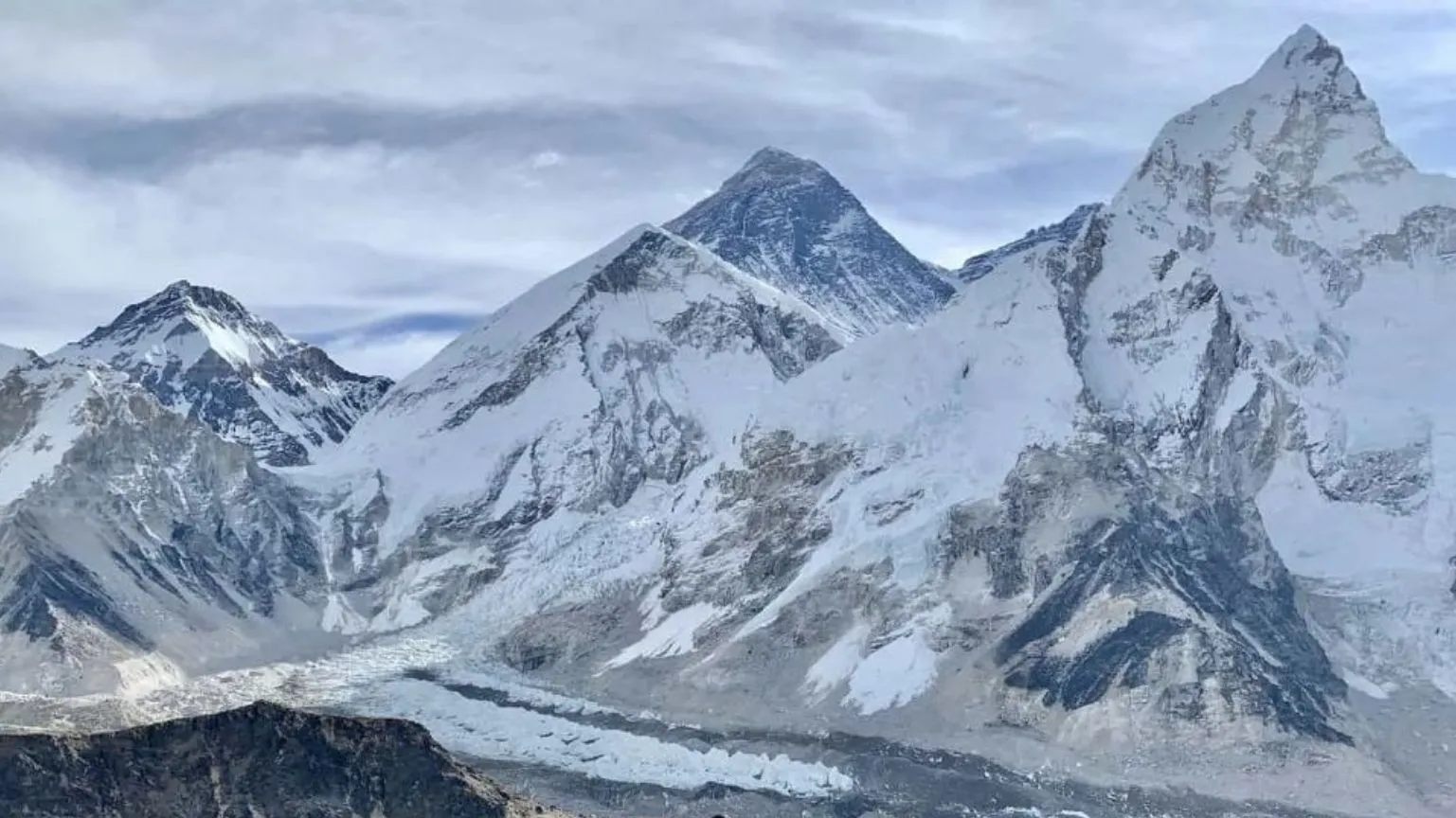 Luxury Everest Base Camp Trek 7 days
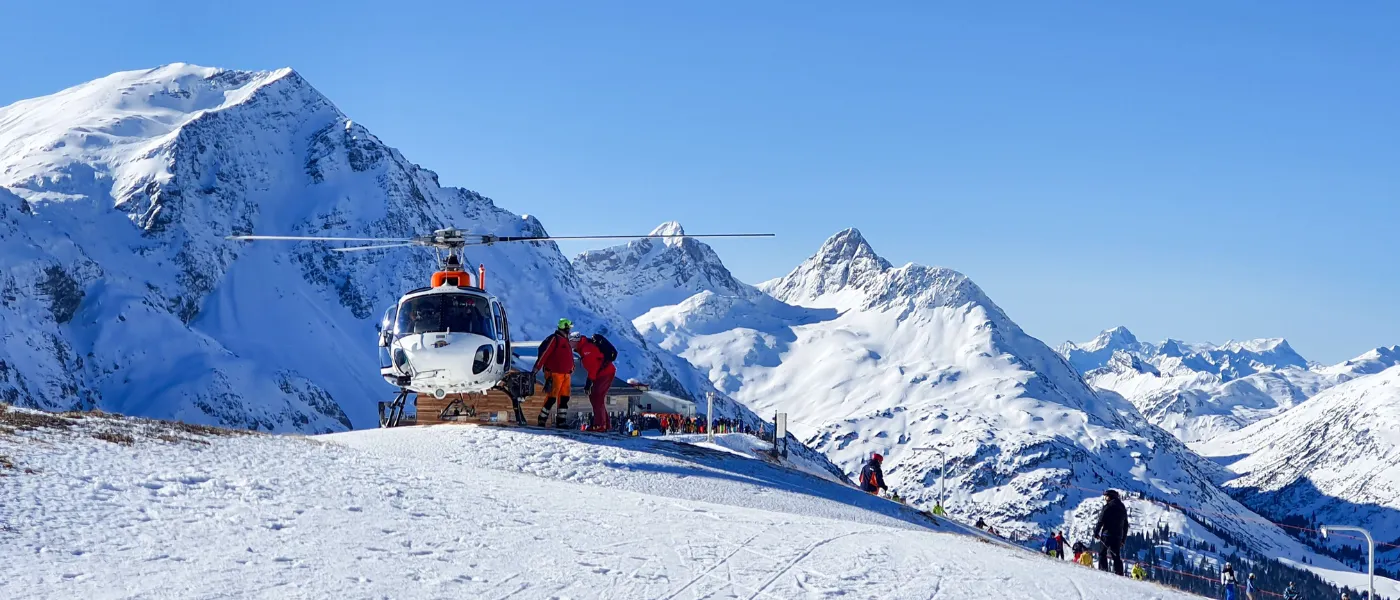 Luxury Everest & Gokyo Lakes Heli-Trek 11 Days
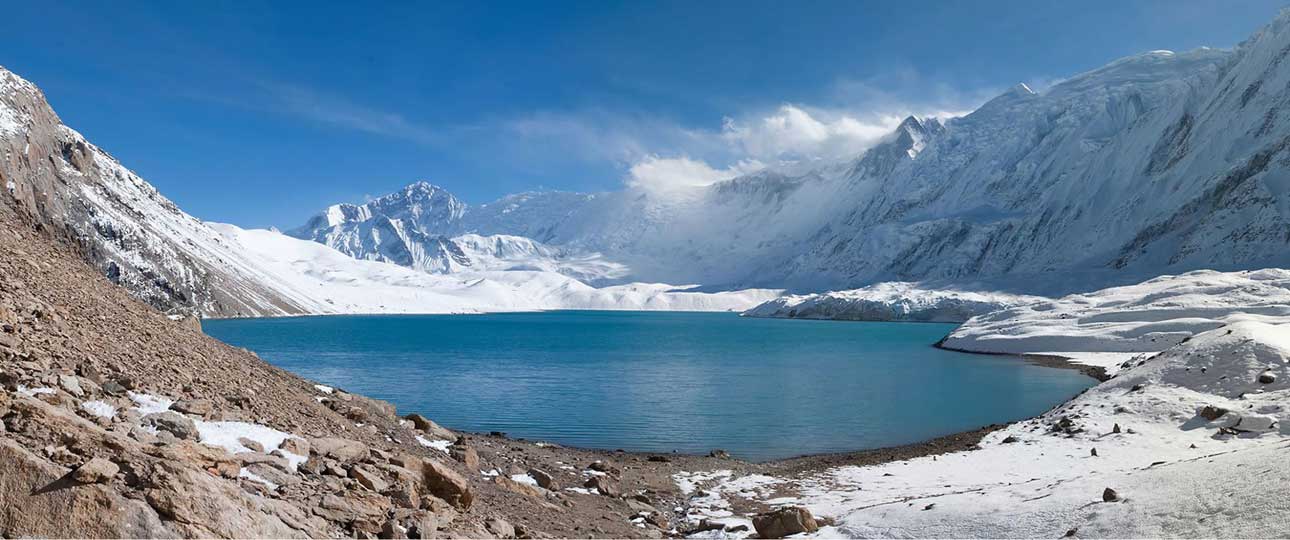 Dudh Kunda Trek 15 Days
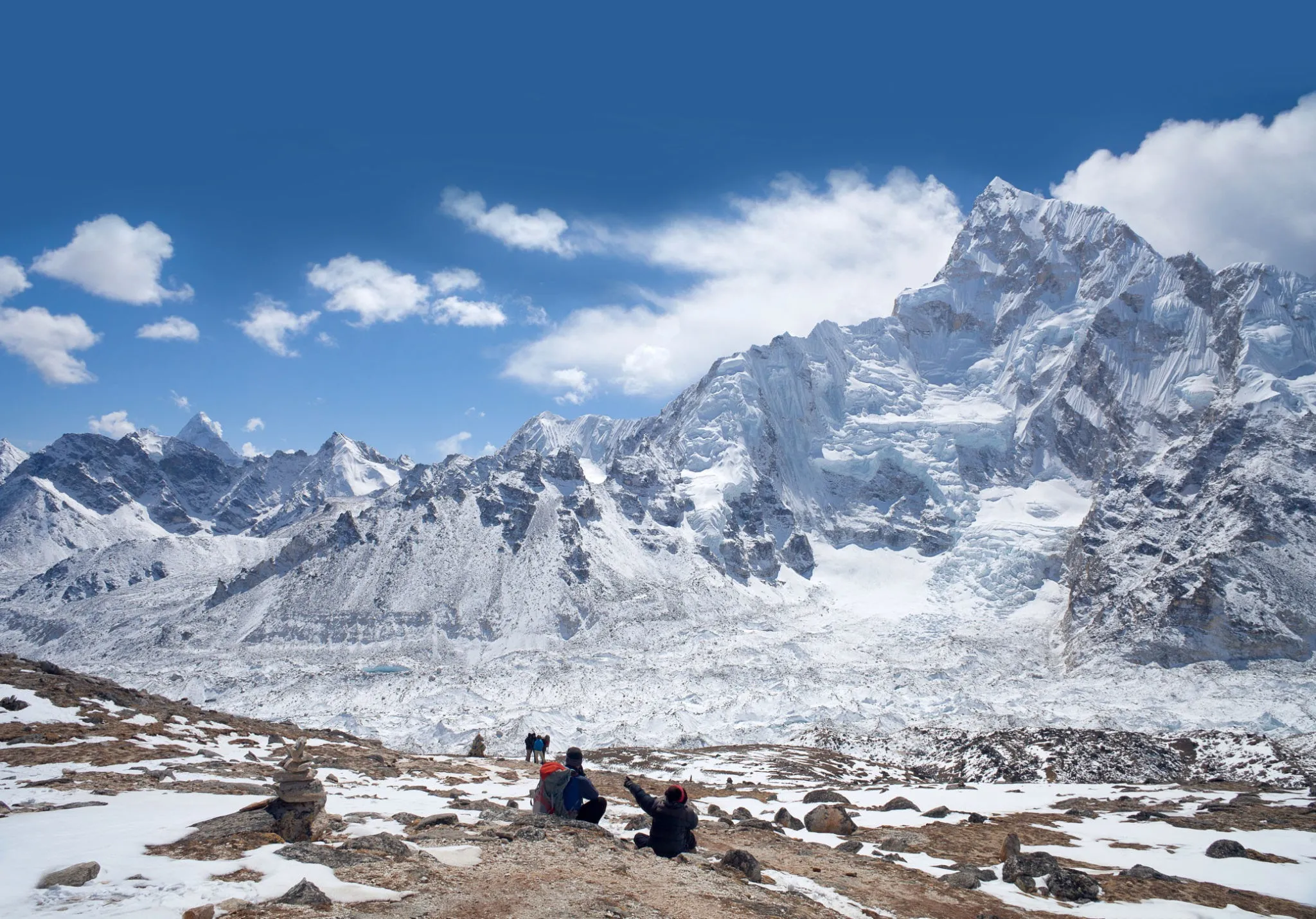 Iconic Sherpa Heritage & Everest View Trek 13 Days
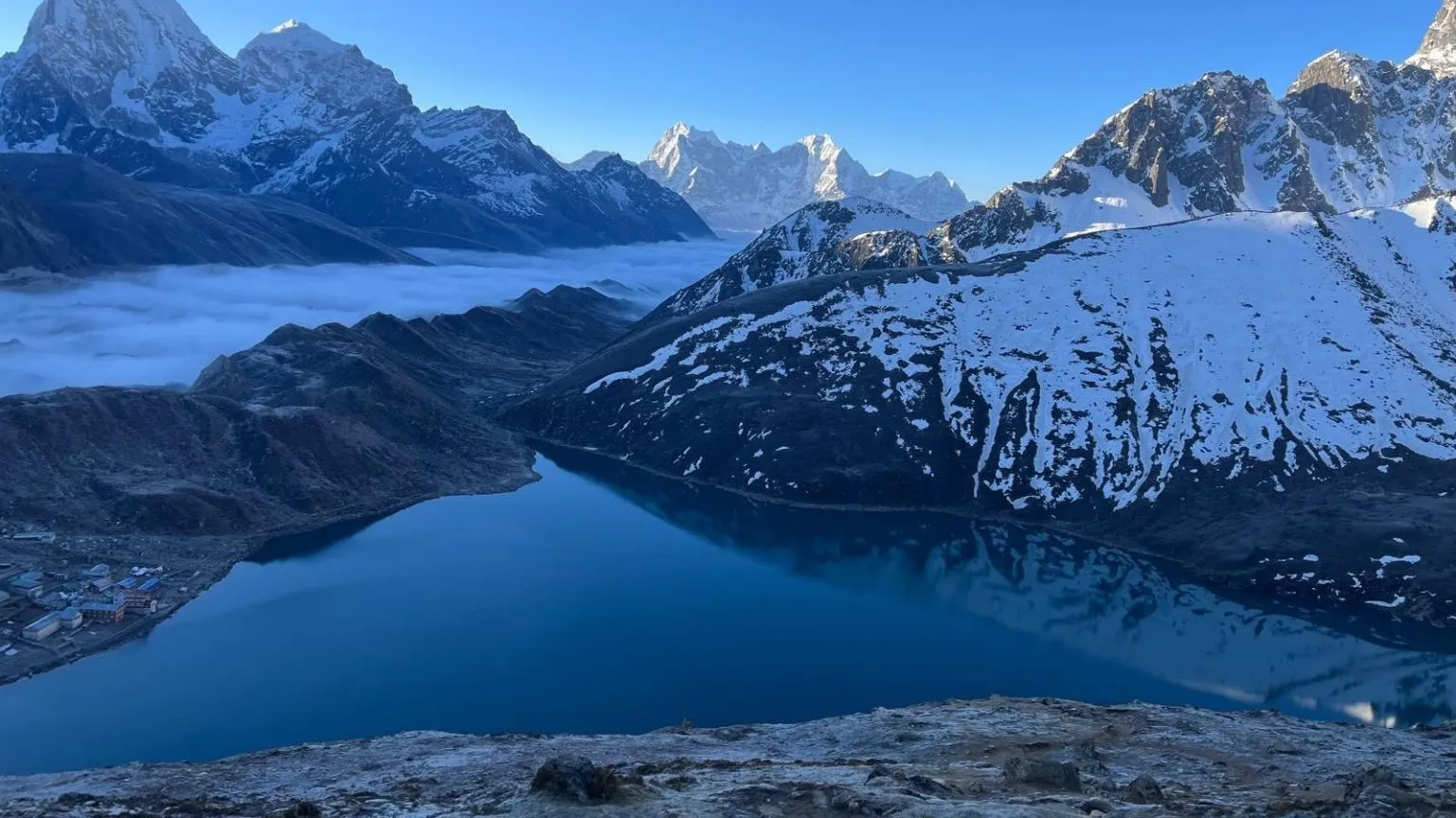 Gokyo Lake Trek 16 Days
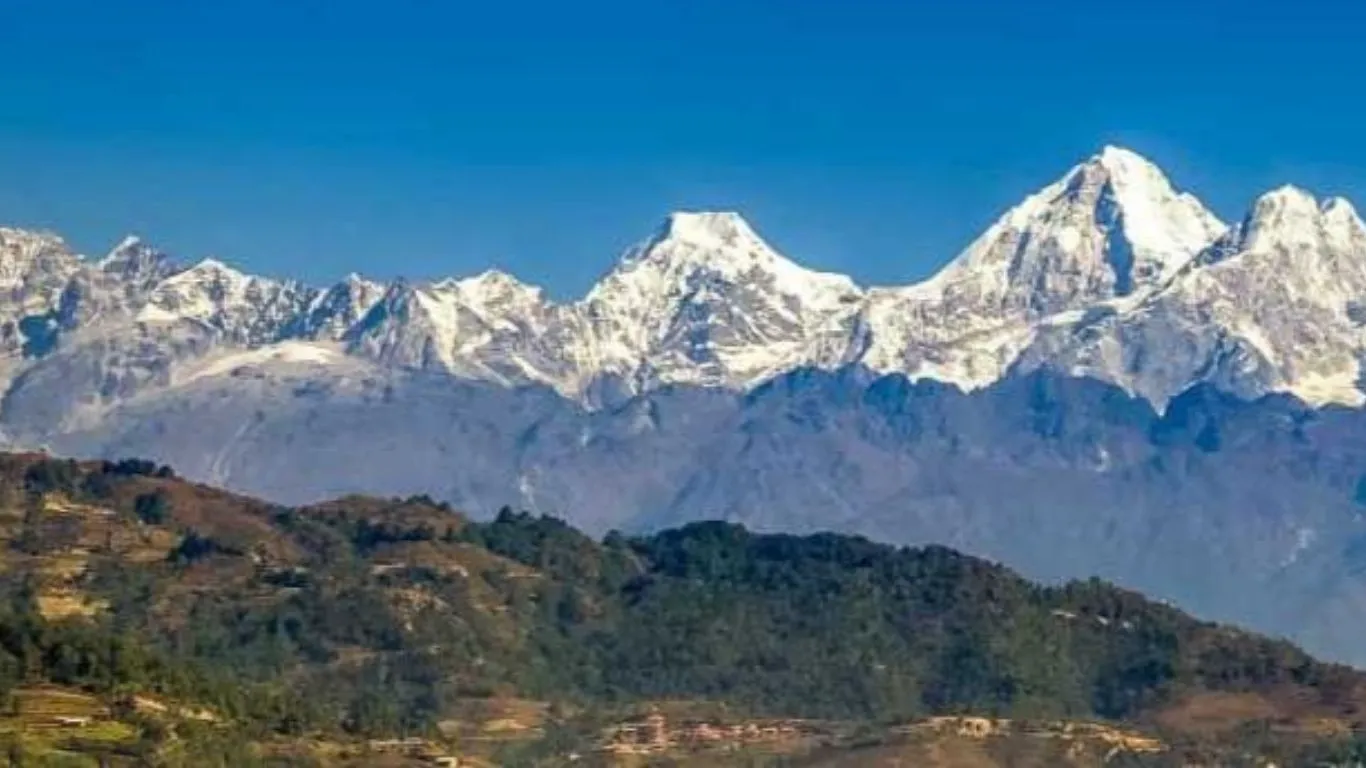 Gaurishanker Himal Trek 18 Days
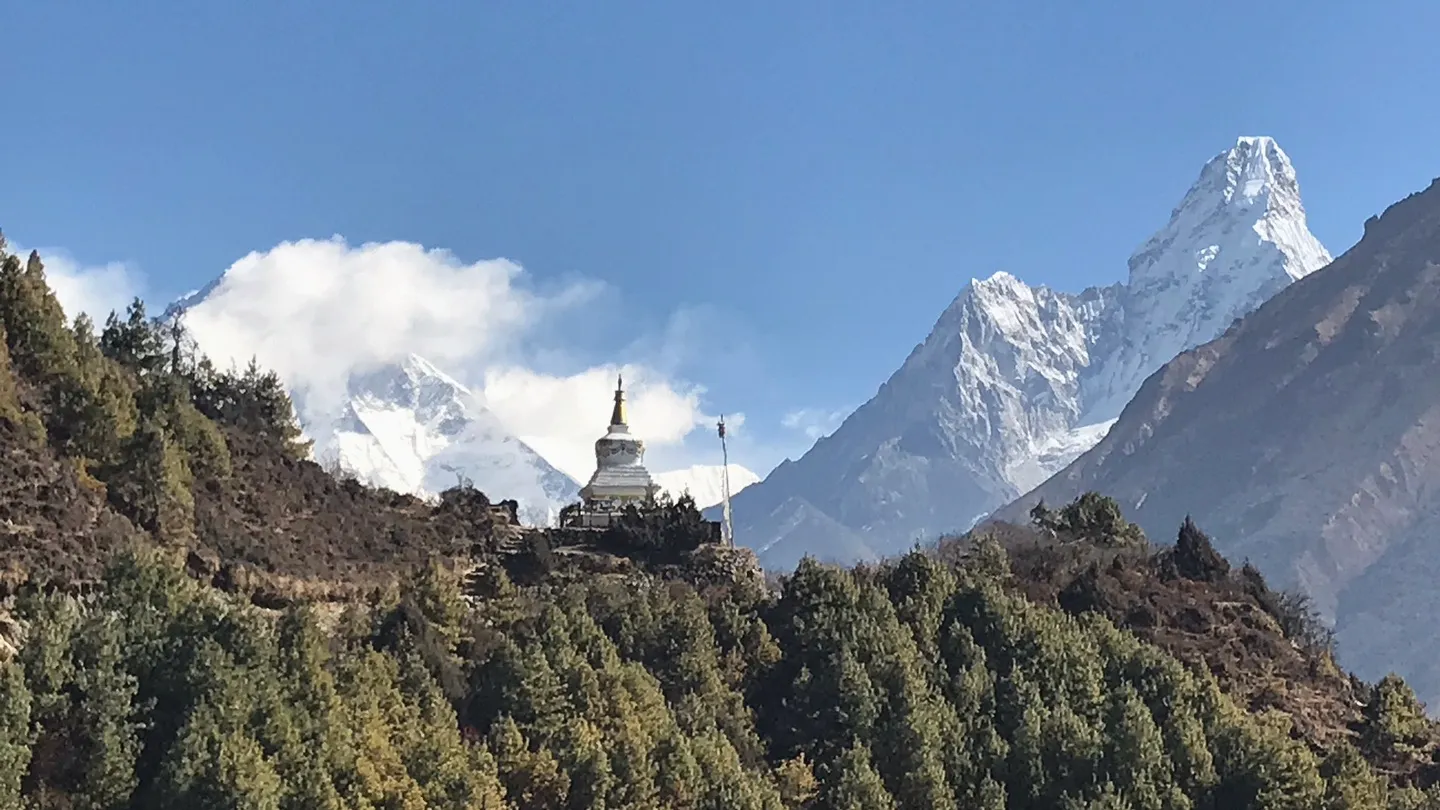 Phaplu to EBC Trek (no flight) 19 Days
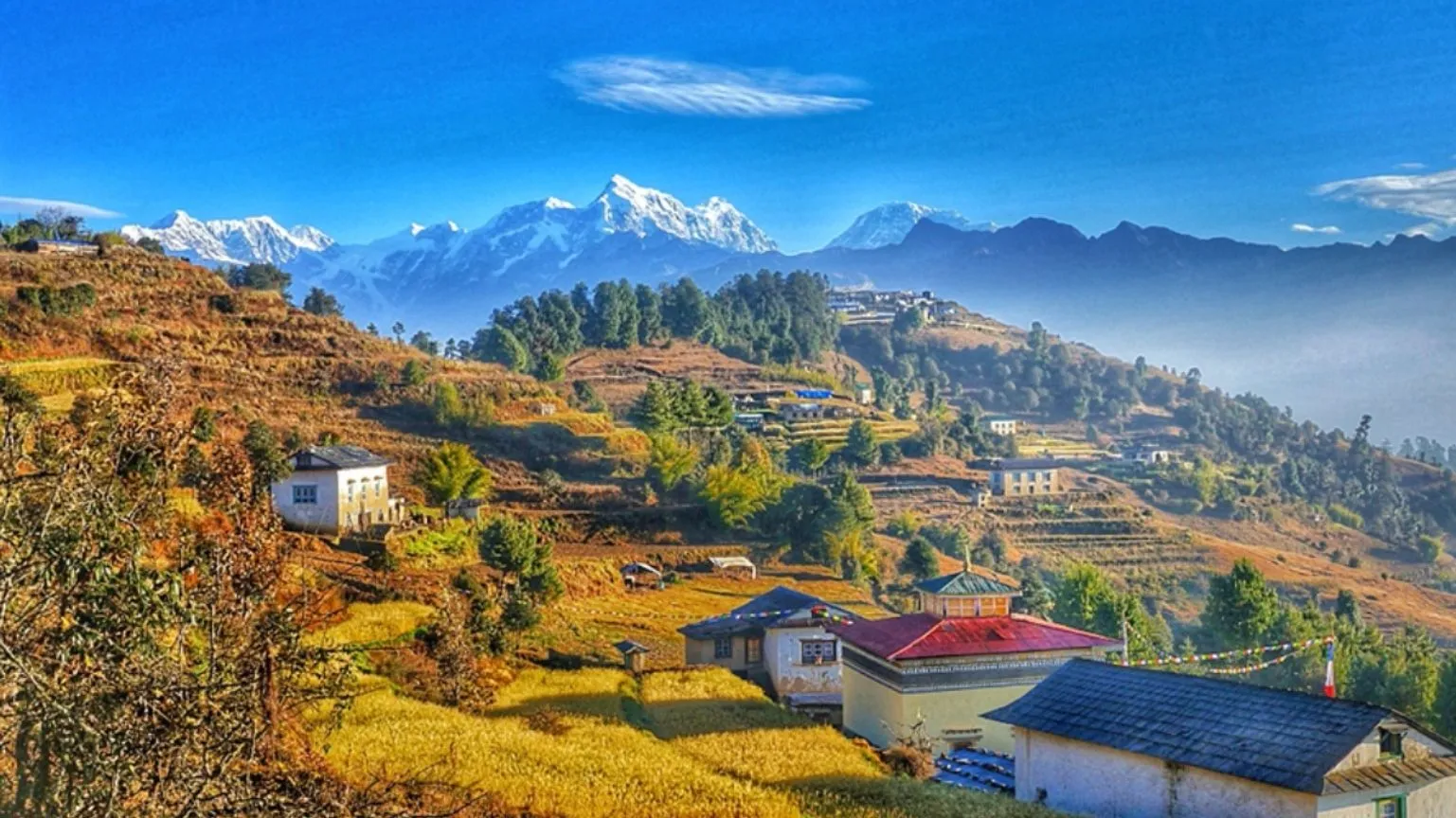 Jiri to Everest Base Camp Trek 22 Days
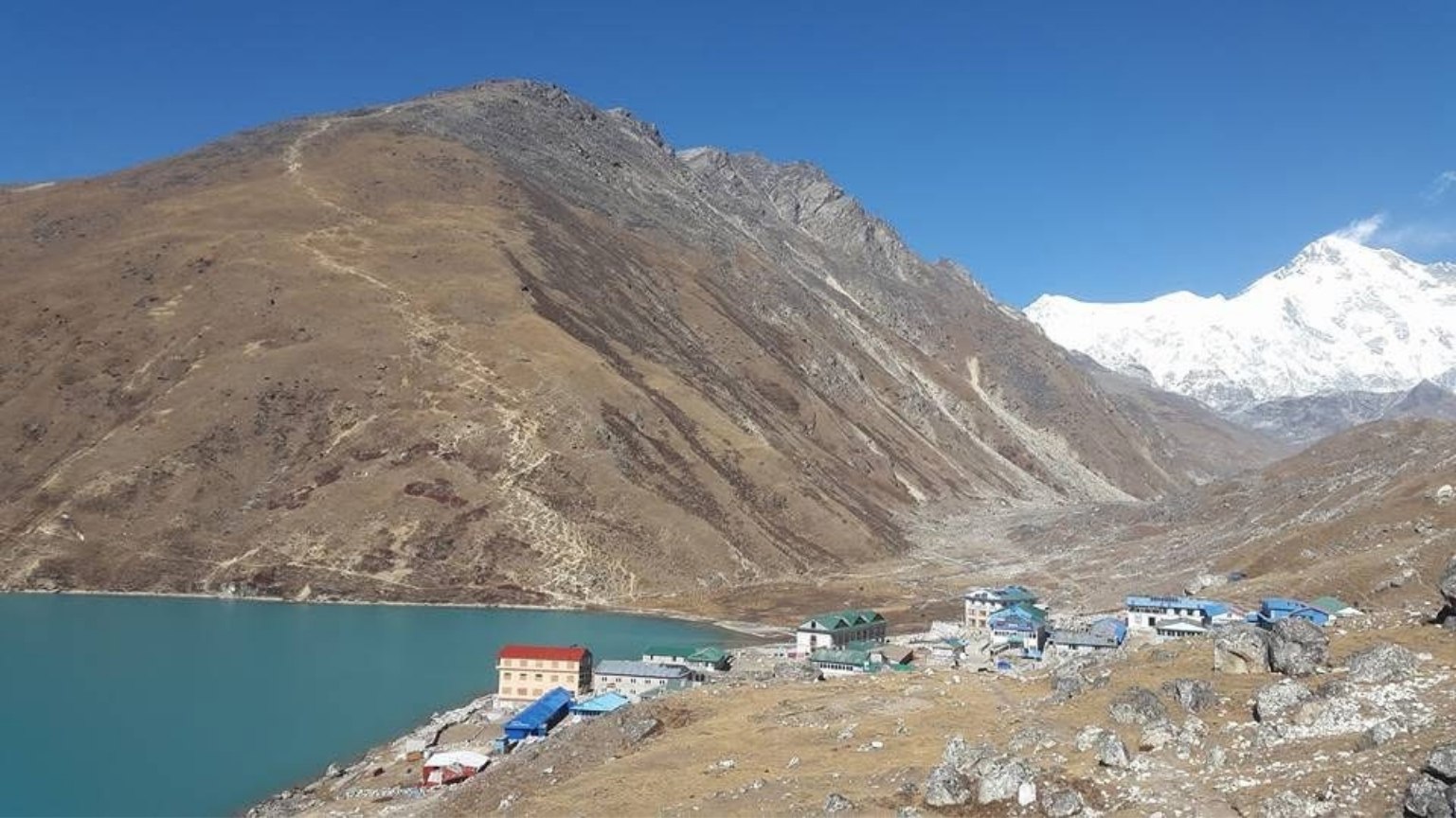 Everest Base Camp and Gokyo Lake Trek 15 Days
 Namche Bazaar Trek 8 Days
 Everest Base Camp Express Trek 12 Days